My Morning Protocol

I Drink Acid Every Morning So I Can Live To 200

I’m Gary Leland, I’m 70 years old and I plan on being the first human to reach 200. Welcome to episode 2 of The 200 Year Life Project: This is the Ultimate Longevity Journey.

I am making so many tweaks on this ride that one episode would be a twelve hour audiobook, so we’re breaking it down one weapon at a time. Today we’re kicking it off with the very first thing I do every single morning – literally within minutes of opening my eyes.

I call it my Morning Protocol, and it’s on my public database over at GaryLeland.com/data. Go steal it, copy it, tweak it, then try to beat me to 200.

STEP 1: The ACV Power Shot.

This is the first thing I do every morning and the results have been so good for me that I am sure I will continue for the rest of my life.

Continue Reading »

Why Selenium Belongs in Every Longevity Stack

The trace mineral linked to longer telomeres, stronger immunity, lower disease risk.

If you're new to this site, I'm on a mission to explore every angle of extending human lifespan – from cutting-edge tech to timeless nutrition hacks – all aimed at pushing the boundaries toward that elusive 200-year mark. Today, we're zeroing in on selenium, a trace mineral that's earning its stripes as a potential “longevity element.” I've been researching this powerhouse nutrient, and let me tell you, its positive impacts on healthspan and lifespan are nothing short of exciting. As someone who's all about stacking the odds in favor of a longer, healthier life, selenium has caught my eye for its role in fighting aging at the cellular level. Let's break it down.

What Exactly Is Selenium and Why Should You Care?

SeleniumSelenium is an essential trace element found in soil, water, and certain foods. Our bodies need it in small amounts, but it punches way above its weight when it comes to health benefits. It's a key component of selenoproteins, which are enzymes that help protect our cells from damage. Think of it as your body's built-in antioxidant shield. In the context of longevity, selenium's ability to combat oxidative stress – that sneaky process where free radicals accelerate aging – makes it a star player. Studies show that maintaining adequate selenium levels can enhance antioxidant defense, boost immune functions, and support metabolic homeostasis, all of which contribute to a longer life. Without enough of it, we might be shortening our own life expectancy.

Continue Reading »

The Power of Standing Heel Raises

Strengthening Your Foundation for a 200-Year Life

How this simple calf exercise builds bone density, improves balance, enhances circulation, and supports lifelong mobility and independence.

On the 200 Year Life Project blog, we explore straightforward, evidence-based habits that compound over decades to help us stay strong, mobile, and vibrant well into what most people consider “old age.” Today I want to spotlight one of the most underrated yet profoundly effective exercises in my daily routine: standing heel raises (also called calf raises). This is a movement anyone can do almost anywhere—no gym, no equipment, no excuses—and the longevity payoffs are impressive. Since adding it consistently, I’ve noticed better stability, stronger lower legs, and a subtle but real improvement in how my body feels day to day.

Standing Heel RaisesWhat Are Standing Heel Raises?

Standing heel raises are exactly what the name suggests: you stand with feet hip-width apart (or slightly narrower), rise up onto the balls of your feet by contracting your calf muscles, hold briefly at the top, and then slowly lower your heels back to the floor. That’s one rep.

The exercise primarily targets the gastrocnemius and soleus muscles of the calf, but it also engages the posterior chain (hamstrings, glutes, lower back stabilizers), the foot intrinsics, and even the core for balance. Because it’s a closed-chain, weight-bearing movement performed in an upright posture, it delivers mechanical loading directly to the bones and joints of the lower leg, ankle, and foot—exactly the areas that tend to weaken with age.

Continue Reading »

Liposomal Glutathione Powers Your Path to a 200-Year Life

Explore the science-backed benefits of this master antioxidant

The core mission of my 200 Year Life Project blog is sharing practical, evidence-based tools to push human lifespan and healthspan toward extraordinary lengths. Today, I'm diving deep into one of the most powerful players in the longevity toolkit – liposomal glutathione. If you're committed to aging like a fine wine, this master antioxidant deserves a prime spot in your routine.

Why Glutathione Matters for Longevity – The Basics

Liposomal Glutathione Glutathione (GSH) is produced naturally in our bodies and is widely regarded as the master antioxidant. It neutralizes free radicals, detoxifies harmful substances, and maintains cellular redox balance – all critical for preventing the oxidative damage that drives aging. As we get older, glutathione levels naturally decline, often by about 10% per decade after our 20s, contributing to increased oxidative stress, mitochondrial dysfunction, inflammation, and age-related diseases like diabetes, heart issues, neurodegeneration, and more.

This decline isn't just a side note; studies link low glutathione to accelerated aging hallmarks, while higher levels correlate with better health outcomes, stronger immunity, and even increased likelihood of healthier longevity in older adults. By replenishing glutathione, especially in a highly bioavailable form, we can directly target these root causes of aging.

Continue Reading »

Unlocking Longevity with Manuka Honey

Nature's Superfood for a 200-Year Life

Explore how this unique honey's antibacterial, antioxidant, and anti-inflammatory properties can enhance healthspan, support immune function, and promote vitality for decades to come.

As someone passionate about stacking habits that extend our vibrant years, I'm always exploring natural tools backed by science to push the boundaries of healthy aging. On the 200 Year Life Project blog, we focus on practical strategies that target the root causes of decline, from oxidative stress to inflammation. Today, I'm diving into one of my daily staples: Manuka honey. This isn't your average sweetener—it's a potent ally in the quest for longevity. If you're serious about optimizing your biology for the long haul, Manuka honey deserves a spot in your routine. Let's break down what makes it special, how I use it, and the evidence-based benefits.

Manuka Honey What Is Manuka Honey?

Manuka honey comes from the nectar of the Manuka bush (Leptospermum scoparium), native to New Zealand and Australia. What sets it apart is its high concentration of methylglyoxal (MGO), a compound responsible for its unique antibacterial properties. Unlike regular honey, Manuka is graded by systems like UMF (Unique Manuka Factor) or MGO ratings, which measure its potency—higher numbers mean stronger bioactivity. It's raw, unprocessed, and loaded with enzymes, antioxidants, and prebiotics that go beyond basic nutrition.

Continue Reading »

How Taurine Could Be Your Secret Weapon for a 200-Year Life

This Powerhouse Amino Acid Extends Lifespan And Healthspan

Today, we're spotlighting taurine, a semi-essential amino acid that's exploding in longevity circles. Recent groundbreaking research positions it as a potential driver of healthy aging, with animal studies showing real extensions in lifespan and massive improvements in health markers. Let's unpack why taurine deserves a spot in your protocol.

What Is Taurine and Why Does It Decline with Age?Taurine

Taurine is a sulfur-containing amino acid abundant in the body – especially in the brain, heart, muscles, and eyes. Unlike essential amino acids, we synthesize some ourselves, but dietary sources (meat, fish, shellfish, dark poultry) play a big role. Levels peak in youth and often drop significantly with age – in humans, monkeys, and mice, circulating taurine can decline markedly over decades.

Continue Reading »

Building Strength for CenturiesThe Farmer’s Carry and Its Longevity Benefits

Building Strength for Centuries

Discover how this simple, full-body exercise can boost grip strength, bone density, and overall resilience to support a longer, healthier life.

As someone passionate about pushing the boundaries of human lifespan through practical, science-backed habits, I'm thrilled to share insights on the 200 Year Life Project blog. We're all about strategies that extend not just years, but vibrant, active ones. Today, let's talk about one of my go-to exercises: the farmer's carry. This underrated move has become a staple in my routine, and for good reason – it's a powerhouse for building functional strength that directly ties into longevity. Whether you're in your prime or looking to age gracefully, incorporating the farmer's carry can help fortify your body against the ravages of time. Let's dive in.

What Is the Farmer's Carry?farmers lift

At its core, the farmer's carry is a straightforward exercise:

you pick up heavy weights in each hand (like dumbbells, kettlebells, or even grocery bags in a pinch) and walk with them while maintaining good posture. It's inspired by the way farmers haul buckets or bales, hence the name. This isn't about speed or reps – it's about controlled, deliberate movement that engages your entire body from head to toe.

Continue Reading »

Why I’m Taking Creatine Every Day in My Quest for 200 Years

Creatine Monohydrate Belongs in Every Longevity Toolkit

As a 70-year-old Bitcoin Boomer diving headfirst into the 200 Year Life Project, I'm always on the lookout for simple, evidence-backed tools that can help stack the odds in favor of not just living longer, but thriving with energy, strength, and sharp thinking well into the future. One supplement that's caught my attention lately—and that I'm now incorporating into my routine—is creatine monohydrate.

CreatineYou might think of creatine as something for young gym bros chasing bigger muscles, but the research tells a different story, especially for folks like us in our 60s, 70s, and beyond. It's turning out to be a powerful ally against some of the biggest challenges of aging: muscle loss, declining strength, and even foggy thinking.

Continue Reading »

Welcome To The 200 Year Life Project Video (Episode 1)

I’m 70. I’m Going to Live to 200. Deal With It.

I’m Gary Leland, I’m 70 years old and I plan on being the first human to reach 200. Welcome to episode 1 of The 200 Year Life Project: This is the Ultimate Longevity Journey.

I know it sounds crazy. 200 years who am I kidding? Well I honestly believe it’s possible and on this episode I will introduce myself, share how I have abused my body, and why even with all the abuse I think I can live to the age of 200. I will also share my data base of what I am doing to reach that goal.

Continue Reading »

Mastering Full Depth Asian Squats

The Ultimate Functional Movement for Strength, Mobility, and Longevity

Hey everyone, it's me back with a deeper dive into one of my favorite topics for the 200-Year Life Project. At 70+, I'm committed to movements that build real-world strength, preserve mobility, and fight back against age-related decline. Full depth asian squats – going true ass-to-grass, hips below knees, heels flat – have become a staple in my routine. Not those quarter or parallel reps; we're talking the deep, primal position humans evolved for. I've noticed massive improvements: better balance, looser hips, stronger legs, and way less daily stiffness. Today, let's explore the science behind why full depth squats are a powerhouse for health benefits and longevity. I'll break down the evidence, debunk myths, and share how to add them safely.

What Exactly Are Full Depth Asian Squats – And Why Go Deep?

Asian SquatFull depth asian squats (also called deep or ass-to-grass/ATG squats) involve lowering until your hips sink below your knees, often with hamstrings touching calves. This contrasts with partial (quarter) or parallel squats (hips level with knees).

Continue Reading »

Why I’m Taking Chromium Picolinate

A Key Player in Metabolic Health for the Long Haul

Hello, fellow pioneers in the quest for a 200-year lifespan! As we dive deeper into 2026, my focus remains on optimizing metabolic health—the foundation of longevity. Stable blood sugar, efficient insulin function, and resilient cellular energy are non-negotiable if we want to thrive for decades, not just survive.One supplement that's been part of my daily stack for years is chromium picolinate. I personally take 200 mcg per day, a conservative dose backed by research as safe and potentially effective for supporting insulin sensitivity.

What Is Chromium Picolinate?Chromium Picolinate

Chromium is an essential trace mineral that plays a critical role in carbohydrate, fat, and protein metabolism. It enhances the action of insulin, the hormone responsible for shuttling glucose into cells for energy.

Picolinate is a form that binds chromium to picolinic acid, improving absorption compared to other forms. This makes chromium picolinate one of the most bioavailable supplemental options.

While we get small amounts from foods like broccoli, nuts, whole grains, and meats, modern diets and soil depletion often leave many of us suboptimal.

Continue Reading »

The One-Legged Stand

Why It's So Hard for Seniors (And How Training It Can Extend Your Healthspan)

Hello, fellow travelers on The 200 Year Life Journey! As we push toward radical longevity in 2026, one of the most underrated yet powerful markers of healthy aging is something incredibly simple: how long you can stand on one leg.

I've been testing this myself lately—eyes open, arms at my sides—and it's humbling. Even for someone committed to strength training and metabolic optimization, balance declines sneakily with age. But the science is clear: poor single-leg balance in midlife and beyond is a red flag for accelerated aging, increased fall risk, and even higher mortality. The good news? We can train it, improve it dramatically, and reap massive benefits for our long-term vitality.

Why Standing on One Leg Gets Harder as We Age

1 legRecent studies, including one from the Mayo Clinic published in PLOS One, show that the ability to balance on one leg—especially the non-dominant leg—declines faster with age than muscle strength, grip, or even walking speed. Researchers tested healthy adults over 50 and found balance showed the steepest drop-off.

Normative data gives us benchmarks (eyes open, no support):

Ages 60–69: Around 22–27 seconds on average
Ages 70–79: Around 14–17 seconds
Ages 80+: Often under 10 seconds

Continue Reading »

Boosting NAD+ with NMN Powder

A Game-Changer for Health and Longevity in the 200-Year Life Project

Hey everyone, it's me back with another deep dive for the 200-Year Life Project. We're all chasing that extended healthspan – living not just longer, but stronger, sharper, and full of energy well into our later decades. Lately, I've been obsessed with NMN (nicotinamide mononucleotide) powder, a direct precursor to NAD+, the molecule that powers our cells and declines dramatically as we age. If you've heard names like David Sinclair dropping NMN in interviews, you know it's a hot topic in longevity circles. I've dug into the latest research, and while it's promising, it's not a magic pill. Let's unpack the science on its health benefits and potential for pushing us toward that 200-year goal.

What Is NMN and Why Does It Matter?

NMNNMN is a naturally occurring compound that your body converts into NAD+ (nicotinamide adenine dinucleotide), a coenzyme essential for energy production, DNA repair, and regulating aging processes. NAD+ levels drop by about 50% by middle age, contributing to fatigue, metabolic issues, and age-related decline.

Continue Reading »

Ditching Cushioned Shoes for Barefoot Minimalists

A Game-Changer for Foot Health and Longevity in the 200-Year Life Project

Hey everyone, it's me back with another deep dive for the 200-Year Life Project. As a 70+ guy chasing that first 200-year lifespan, I'm all about foundational habits that keep my body functional and resilient. Lately, I've switched a lot of my daily walking and even some training to barefoot shoes (also called minimalist shoes). These are the thin-soled, wide toe box, zero-drop kicks that mimic going barefoot while protecting your soles. I've noticed stronger feet, better balance, and less lower body stiffness – huge wins when you're stacking protocols like full depth squats, NMN, and Vitamin D3. But are they backed by science? I've researched the latest studies (up to late 2025), and while they're not for everyone overnight, the health benefits for foot strength, posture, and longevity are compelling. Let's break it down.

What Are Barefoot Shoes, Anyway?

Barefoot ShoesBarefoot or minimalist shoes have key features: a wide toe box for natural splay, zero heel-to-toe drop (flat like barefoot), thin flexible soles for ground feel, and no arch support or heavy cushioning. Popular brands include Vivobarefoot. They're the opposite of traditional cushioned runners with elevated heels and narrow boxes.

Continue Reading »

Vitamin D3

The Sunshine Vitamin's Role in Health and Longevity for the 200-Year Life Project

Hey everyone, it's me here with another installment in the 200-Year Life Project. We're all about stacking the odds in favor of not just living longer, but thriving with energy, sharp minds, and strong bodies deep into our centuries. Today, I'm shining a light on Vitamin D3 – often called the “sunshine vitamin” because our skin makes it from UVB rays. But as we age, production drops, and deficiency becomes rampant. I've been diving into the latest research (up to late 2025), and the evidence is compelling: optimizing Vitamin D3 levels could be a cornerstone for healthier aging and potentially extending our healthspan.

Why Vitamin D3 Matters More as We Age

D3Vitamin D3 (cholecalciferol) is the form our body produces naturally and the one most supplements use – it's more effective at raising blood levels than D2. It acts like a hormone, regulating over 1,000 genes involved in immunity, inflammation, cell growth, and more.

Deficiency is shockingly common, especially in older adults: skin synthesis drops by about 50% by age 70, plus less time outdoors, thinner skin, and reduced kidney/liver efficiency in converting it to active forms. Levels below 20-30 ng/mL (50-75 nmol/L) are linked to accelerated aging hallmarks like inflammation, mitochondrial dysfunction, and telomere shortening.

Continue Reading »

Welcoming 2026

My Goals for The 200 Year Life Project

Happy New Year, fellow pioneers on the path to a radically extended lifespan! As we step into 2026 on this January 1st, I'm filled with excitement and determination. The longevity field is accelerating, and the breakthroughs from 2025 have only strengthened my conviction that a 200-year life—full of vitality—is not just possible, but within our grasp if we act decisively now.

Last year delivered powerful reminders: robust evidence for vitamin D protecting telomeres, mitochondrial interventions extending lifespan in models, strength training emerging as a cornerstone of healthspan, and creative pursuits preserving cognitive sharpness. These aren't distant promises—they're tools we can use today.

This blog, now evolving into The 200 Year Life Project, is my platform for sharing the most practical, evidence-based strategies to maximize our healthy years. It's about turning cutting-edge science into daily habits so we can thrive for centuries, not decades.

As I look back on 2025, I'm proud of the progress made, but I'm even more energized for what's ahead.

2026

My Personal Goals for 2026

This year, I'm committing to sustainable, high-impact practices that directly extend healthspan. Here's my plan:

Continue Reading »

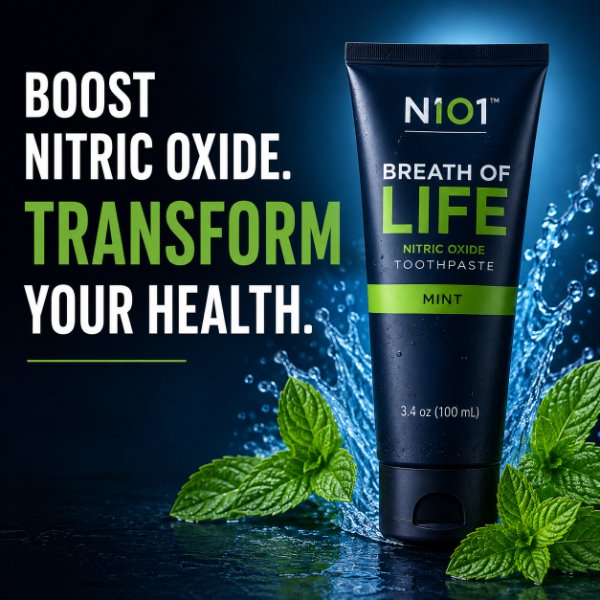
Boosting Nitric Oxide with CardioSmile Toothpaste:

A Fluoride-Free Path to Better Oral Health and Longevity in the 200-Year Life Project

Hey everyone, it's me diving into another tool for the longevity toolkit in the 200-Year Life Project. If you've been following my journey, you know I'm all about stacking habits and products that support vibrant health well into the triple digits. Today, I'm excited to talk about CardioSmile Nitric Oxide Boosting Toothpaste – a game-changer I've recently added to my morning routine. This isn't your average toothpaste; it's designed to enhance nitric oxide production right in your mouth, while ditching fluoride and other toxins. I'll break down the health benefits, why skipping fluoride is a smart move (and what's sketchy about it), the powerhouse role of nitric oxide, and how this ties into our quest for a 200-year life. Let's get into it!

What Is CardioSmile Nitric Oxide Boosting Toothpaste?

Cardiosmile

CardioSmile is a innovative, fluoride-free toothpaste formulated to support your body's natural nitric oxide production starting from the oral cavity. It's packed with ingredients that promote Nitric Oxide levels, which in turn boost circulation to your gums and overall oral health. Unlike traditional pastes loaded with chemicals, this one focuses on remineralizing enamel, enhancing gum health, freshening breath, and nurturing your mouth's microbiome – all without harsh additives. Developed by experts in nitric oxide research, it's aimed at improving not just your smile, but your systemic wellness through better blood flow and reduced inflammation in the gums.
I've been using it for a bit, and my gums feel healthier, with less sensitivity – a win for someone like me optimizing every aspect of aging.

Continue Reading »

Unlocking the Secrets of Resveratrol:

A Path to Healthier, Longer Living in the 200-Year Life Project

Hey everyone, it's me diving into another fascinating topic for the 200-Year Life Project. If you've been following along, you know I'm all about exploring science-backed ways to extend not just our lifespan, but our healthspan – that vibrant, disease-free period where we can truly thrive. Today, I'm excited to talk about resveratrol, a compound that's been buzzing in the anti-aging world for years. I've been researching this one because it pops up everywhere from red wine to supplements, promising everything from heart protection to potentially adding years to our lives. Let's break it down, based on what the studies say, and see how it fits into our quest for a 200-year life.

What Exactly Is Resveratrol?

ResveratrolResveratrol is a natural polyphenol, basically a type of antioxidant produced by plants to protect themselves from stress like UV rays or infections. We humans get it mostly from foods like red grapes (and yes, red wine), berries, peanuts, and even dark chocolate. It's been studied since the 1990s, but it really hit the spotlight when researchers linked it to the “French Paradox” – how the French eat rich foods but have lower heart disease rates, possibly thanks to their wine habits. In supplement form, it's often extracted from Japanese knotweed, and doses can range from 100mg to way higher in clinical trials.

Continue Reading »

Funding the 200-Year Dream

How Bitcoin Could Sustain a Life of Longevity Without Endless Work

Hey everyone, it's me, Gary Leland, back with another post for the 200-Year Life Project. If you've been following my journey on GaryLeland.com/data, you know I'm a 70-year-old Bitcoin enthusiast and podcaster dead set on becoming the first person to live to 200. I'm tracking my morning protocols, biohacks, and everything from cod liver oil to sunrise watching to optimize my healthspan. But recently, my daughter hit me with a killer question that stopped me in my tracks: “Dad, if you actually pull this off and live to 200, how are you going to afford it? Are you going to have to work forever?” It's a fair point – extending life means extending expenses, from healthcare to daily living. Today, I want to address that head-on, tying it into my deep-rooted belief in Bitcoin as the ultimate financial longevity tool. No, I don't plan on grinding away at work for the next 130 years. Here's why Bitcoin's growth could cover my needs and let me focus on thriving, not surviving.

The Reality of a 200-Year Life: What Does It Cost?

bitcoin-typewriterFirst, let's get real about the numbers. Living to 200 isn't just about beating aging – it's about funding a marathon existence. At my age, I'm already retired, but extending that to 2155 (yep, that's when I'd hit 200) means covering inflation, medical breakthroughs, housing, food, and maybe even some fun like attending BitBlockBoom conferences well into the 22nd century.

Continue Reading »

Relaxation in a Capsule

Why Magnesium Glycinate Is My Go-To for Better Sleep and Longevity

At 70 years old, on my determined path to live to 200 with The 200 Year Life Project, sleep optimization is a top priority—it's when growth hormone peaks, cells repair, and the brain clears toxins. That's why Magnesium Glycinate is a standout in my evening stack. This highly bioavailable form of magnesium (bound to glycine) not only calms the nervous system but delivers deep, restorative sleep without the laxative side effects of cheaper forms like oxide.

Why Magnesium Glycinate? The Superior Form

Magnesium is involved in over 300 enzymatic reactions, but many forms have poor absorption or GI upset. Glycinate shines: High bioavailability, gentle on the stomach, and the glycine component adds its own sleep-promoting benefits (like my separate glycine dose).

Standout Sleep Benefits

Magnesium deficiency is rampant (up to 50% of people) and linked to insomnia. Glycinate helps by:

Regulating Neurotransmitters: Boosts GABA (calming) and reduces excitatory NMDA activity for quieter mind chatter.

Muscle and Nerve Relaxation: Eases cramps, tension, and restless legs—common sleep disruptors in seniors.

Continue Reading »